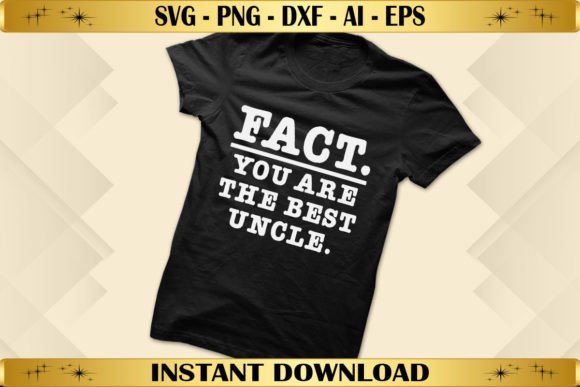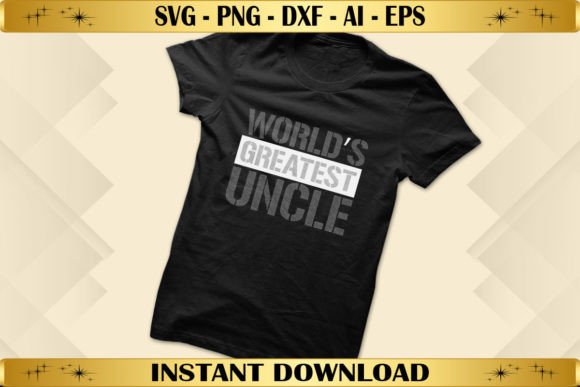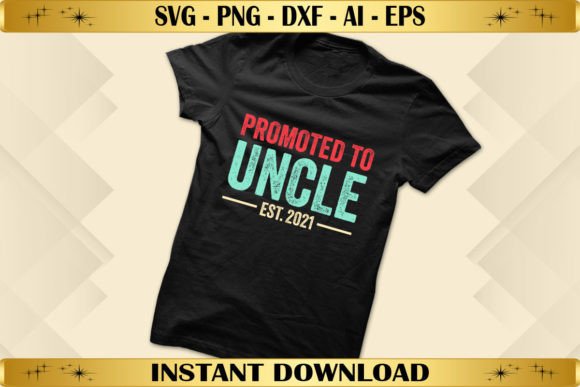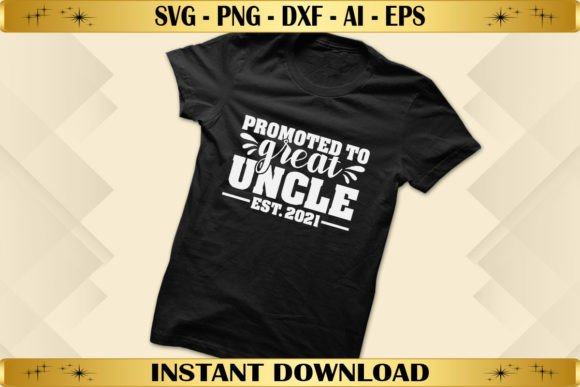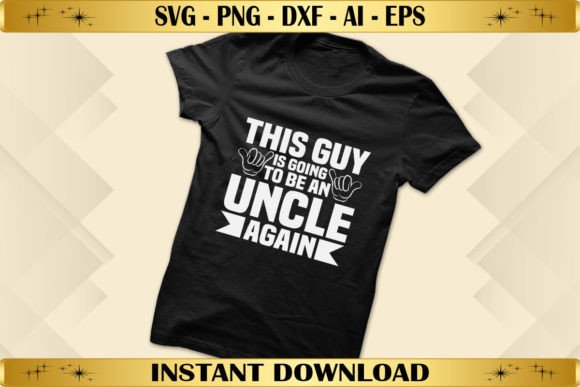
Going to Be Uncle Again
A Warm, Witty Design That Stitches Well—If You Choose the Right Canvas
I pulled Going to Be Uncle Again into my embroidery software last week while prepping a custom baby shower tote for a client—a soft, natural canvas bag with cream-colored stitching. Right away, I noticed what makes this design stand out: it’s cheerful without being cutesy, legible without being loud, and just detailed enough to feel intentional—not like a stock graphic slapped on a shirt. As a designer who’s stitched hundreds of “family milestone” pieces, I appreciate how cleanly the phrase flows in an arched, friendly curve, with subtle weight variation in the letters that suggests hand-drawn warmth rather than rigid vector perfection.
Where It Shines: Real Projects, Real Reactions
This isn’t a design built for tiny monograms or delicate heirloom embroidery—it’s made for presence. I tested Going to Be Uncle Again on a midweight cotton sweatshirt (4.5 oz), using a medium-weight cutaway stabilizer and standard 40-weight poly thread. The result? Crisp lettering, even spacing, and no puckering—even across the shoulder seam where fabric tension shifts. Customers love that kind of reliability. It works beautifully as a together bag design, a front-and-center sweatshirt embroidery piece, or even stitched onto a linen pillow cover for nursery decor. I also ran it on a twill patch blank, and the clean edges held up perfectly after heat-sealing and laundering—ideal for craft fairs or Etsy sellers bundling embroidered patches with baby blankets.
The tone lands just right for handmade gifting: warm, inclusive, and quietly proud. No clichés, no overused icons (no baby bottles or pacifiers here), just confident typography that says something meaningful without needing explanation. That clarity translates directly into buyer trust—especially for personalized gifts where sentiment matters more than flash.
Where to Pause Before Pressing Start
Going to Be Uncle Again isn’t magic—it’s a well-crafted machine embroidery design, and like any good design, it has boundaries. First: avoid it on highly textured fabrics like bouclé or thick terry cloth unless you’re willing to double-stabilize and slow your stitch speed. The letterforms have gentle curves and modest serifs—details that can blur if the fabric swallows stitches.
Also tread carefully on stretchy fabric. I tried it on a lightweight jersey tee without proper stabilization—and while the file itself was fine, the fabric distortion made the top curve look slightly flattened. For custom apparel on knits, always pair this with tear-away + light cutaway combo and hoop the fabric taut, not stretched.
And yes—it’s labeled a T-Shirt Designs asset, but don’t assume it’s optimized for tiny chest placements. At its native size, it reads best at 4–5 inches wide. On a cap or curved surface like a baseball hat, the arch may distort unless you use a digitized cap version (which this file set doesn’t include—so adjust manually or skip hats altogether).
Design Integrity Meets Commercial Sense
As a digital embroidery file, Going to Be Uncle Again delivers practical versatility: SVG, PNG, DXF, AI, and EPS files mean you can prep for embroidery machines, Cricut/Silhouette cutting, or printable mockups with equal ease. That matters for craft business owners juggling multiple production paths—say, offering both stitched and heat-transfer versions of the same design.
But here’s what really elevates it: it feels intentional, not algorithmic. The kerning is thoughtful, the baseline consistent, and the weight distribution supports readability at real-world sizes. That attention shows in the finished product. When customers see this stitched on a tea towel or baby onesie, they don’t think “generic graphic”—they think “someone cared.” That perception boosts perceived value, especially for boutique branding or Etsy seller listings where handmade presentation separates you from mass-market prints.
Practical Notes Every Embroiderer Should Check
- Test first—on scrap fabric matching your final project’s weight and stretch.
- Review stitch density in your software. If it looks overly dense in tight curves, consider reducing fill stitch percentage by 5–10% for breathability on apparel.
- Confirm hoop size before stitching—this design fits comfortably in a 5x7 hoop, but check your file’s bounding box to be sure.
- Inspect small details closely: the subtle curve under the “g” in “Going” and the tail of the “y” in “Again” are charming—but verify they’re fully digitized, not just vector outlines.
- Try black-and-white mockups to assess contrast on dark fabric. This design relies on shape and rhythm more than intricate shading, so it holds up well—but always confirm.
- Use proper stabilizer—light cutaway for stable wovens, cutaway + tear-away for knits.
- Check licensing before selling finished items or reselling digital files. This listing states “Just Download and print on your prod,” so clarify commercial rights before adding to your small shop product catalog.
Final Thought: A Design That Earns Its Place
Going to Be Uncle Again isn’t flashy—but it doesn’t need to be. In a market flooded with overdesigned, overcomplicated graphics, its quiet confidence stands out. It stitches cleanly, communicates warmly, and supports the kind of handmade product that gets gifted, displayed, and remembered. Whether you’re stitching baby embroidery for a friend, building a holiday embroidery collection, or curating design assets for your Etsy shop, this one earns its spot—not because it’s trendy, but because it’s trustworthy. And in embroidery, trust is the thread that holds everything together.