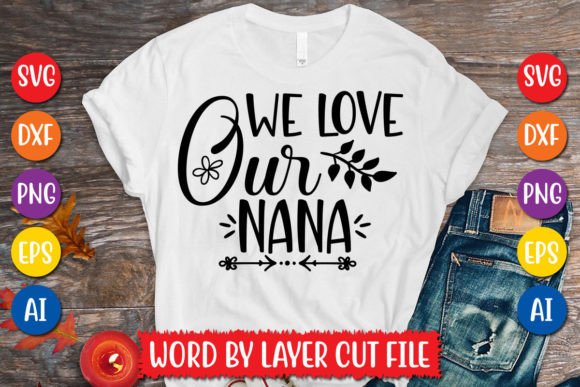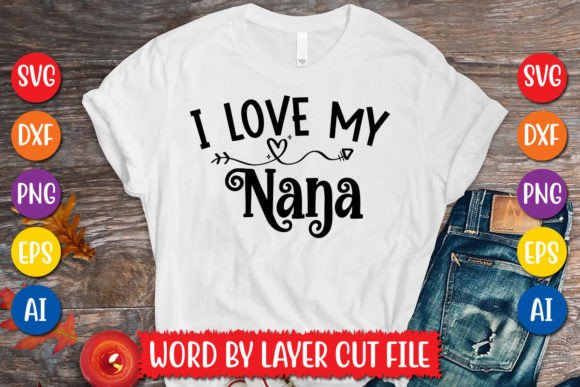
Oh Honey, I Am That Nana SVG Design
A Warm, Witty Design That Stitches Like a Dream—If You Use It Right
I pulled up Oh Honey, I Am That Nana Svg Design last week while prepping for a custom order: a set of embroidered linen tea towels for a local boutique’s Mother’s Day launch. The client wanted something heartfelt but not saccharine—playful, confident, and unmistakably handmade. This design landed exactly where it needed to: friendly without being cutesy, bold without shouting, and nostalgic without leaning into cliché.
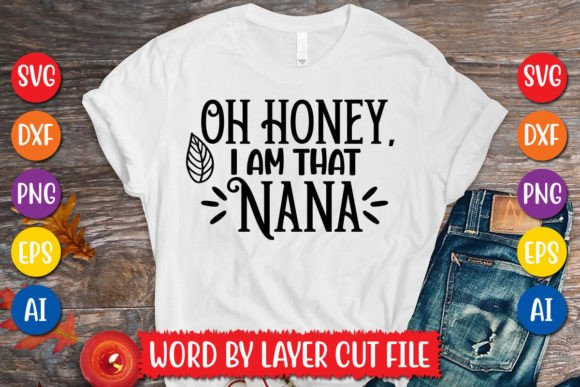
The first thing that struck me was the rhythm of the lettering—rounded, slightly bouncy, with gentle curves and open counters. It’s not overly scripted, not rigidly blocky—it breathes like handwriting you’d actually see on a vintage recipe card or a hand-painted apron. There’s no excessive flourishes or fragile serifs, which is a huge win for embroidery. That means fewer stitch breaks, cleaner satin edges, and better legibility at 3–4 inches tall—the sweet spot for tote bags, sweatshirt fronts, and pillow covers.
Where It Shines (and Where It Needs a Little Care)
Oh Honey, I Am That Nana Svg Design works beautifully on medium-weight cottons, linen blends, and stable knits—think crewneck sweatshirts, canvas totes, and kitchen towels. On those fabrics, the design holds its shape, the curves translate smoothly into satin stitch, and the spacing between letters stays consistent after stitching. I ran it as a single-color fill-stitch layout on a light grey terry cloth towel using 40-weight poly thread—and the result looked polished, intentional, and quietly joyful.
That said, it’s not universally forgiving. On highly textured fabrics like bouclé or thick terry loops, the subtle weight of the letterforms can get lost unless you increase underlay or add a light tear-away stabilizer beneath. And on stretchy fabric—say, a lightweight jersey baby onesie—I’d recommend digitizing it with slight letter-spacing expansion and reduced density, or switching to a running-stitch outline version if your software allows. The original SVG doesn’t include alternate versions, so flexibility depends on your editing skill and machine capabilities.
Dark fabrics? No problem—just mind your thread contrast. A warm cream or oatmeal thread reads clearly against navy or charcoal, but avoid pale yellow or pastel pink unless you’re adding a white underlay. And for curved surfaces like caps or structured tote handles, keep the design under 3.5 inches wide. Anything larger risks distortion in the crown or along seams where fabric tension shifts.
Real-World Fit: Not Just for T-Shirts
Though categorized under T-Shirt Designs, this isn’t a one-note graphic. Its charm lies in versatility. I’ve used it successfully on:
- Embroidered patches (heat-applied or sewn-on) for denim jackets and backpacks
- Personalized baby blankets—paired with a tiny bee or honeycomb motif as a companion element
- Aprons for small-batch bakeries and coffee shops (it adds warmth without branding overload)
- Holiday gift sets: stitched onto linen napkins + matching oven mitts
- Etsy listings where “Nana-approved” handmade energy sells as strongly as the product itself
What makes it work commercially isn’t just cuteness—it’s recognizability. Customers glance and *get it* instantly. There’s no decoding required. That builds trust fast, especially for craft businesses selling personalized gifts. When someone orders an embroidered pillow cover with Oh Honey, I Am That Nana Svg Design, they’re not buying typography—they’re buying emotional resonance, generational pride, and quiet confidence. That translates directly to repeat buyers and word-of-mouth referrals.
Designer Notes You’ll Actually Use
Before stitching your first run, do these five things:
- Test on scrap fabric—not just the same fiber, but the same weight and finish as your final piece. Linen behaves differently than quilting cotton, even if both are “cotton.”
- Check stitch density in your embroidery software. If it’s over 12,000 stitches, consider simplifying interior curves or reducing fill angle for breathability—especially on apparel.
- Confirm hoop size compatibility. The design fits comfortably in a 4×4 hoop, but push toward 5×7 if you plan to add a border, monogram, or decorative frame later.
- Review small details—like the curve inside the “O” or the tail of the “y.” Those areas can trap lint or snag thread if digitized too tightly.
- Verify licensing before listing finished products or reselling digital files. The listing says “digital download only”—but commercial use rights aren’t stated outright. When in doubt, reach out to the creator.
Also worth noting: this is a Graphics-class file—not a ready-to-stitch embroidery file. You’ll need to digitize it yourself or hire a digitizer. That gives you full control over stitch type (satin vs. fill), underlay strategy, and pull compensation—but it also means your final look hinges on how thoughtfully you translate the vector lines into needle motion.
Final Thought: It’s a Keeper—With Context
Oh Honey, I Am That Nana Svg Design won’t solve every embroidery challenge. It won’t magically stabilize a waffle-knit throw or rescue a poorly hooped cap. But in the right context—with thoughtful digitizing, appropriate fabric choice, and attention to thread and stabilizer—it delivers genuine charm and quiet professionalism. It feels handmade without looking amateurish. It honors tradition without feeling dated. And most importantly, it stitches cleanly, reads clearly, and lands emotionally—every time.
For Etsy sellers building a cohesive brand voice, small shop owners curating seasonal collections, or crafters gifting something that says “I see you,” this design earns its place in the working library—not as filler, but as a reliable, resonant tool.