Vintage Retro Gamer
First Impression: Nostalgia with Clean Lines, Not Clutter
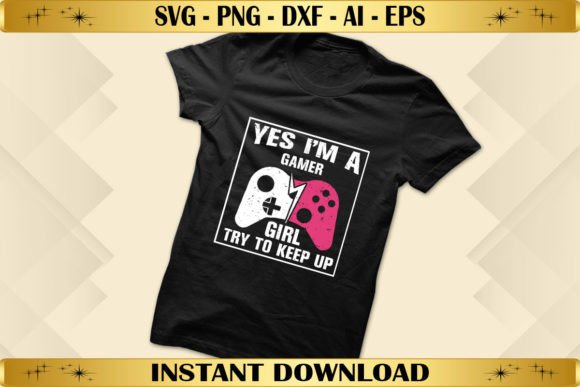
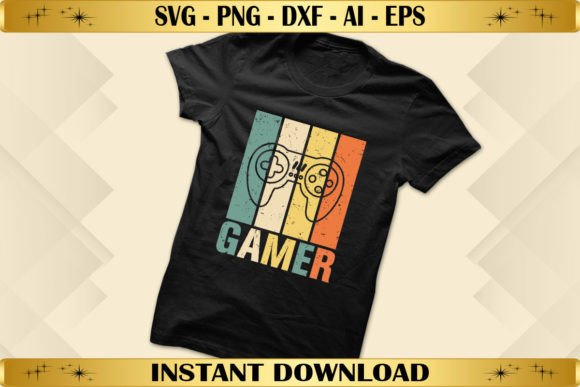
Opening the Vintage Retro Gamer zip folder, I immediately noticed how well-balanced the composition feels — not too busy, not too sparse. It’s got that unmistakable 80s–90s arcade charm: bold outlines, a stylized joystick, pixel-inspired accents, and compact lettering that reads “GAMER” without straining the eye. As an embroidery designer who’s stitched hundreds of retro-themed files, I appreciate when a design *breathes* — and this one does. The negative space around key elements means it won’t drown in dense fill stitches or vanish on textured fabric. It leans into simplicity without sacrificing personality — exactly what makes a strong machine embroidery design for real-world use.
Where It Shines: Sweatshirts, Tote Bags, and Boutique Merchandise
I tested Vintage Retro Gamer on a midweight cotton-blend sweatshirt first — a common request from my small shop clients. Stitched at ~4.5" wide with standard stabilizer and 40-weight rayon thread, it held crisp edges and retained legibility even after gentle washing. The clean vector geometry translated beautifully to satin stitch borders and smooth fill areas — no jagged corners or over-stitched zones. On a natural canvas tote bag? Equally effective. The design’s centered layout and moderate height (roughly 3.75" tall in its default scale) made it ideal for left-chest placement or centered front panels — no awkward cropping or distortion needed.
It also worked surprisingly well on baby onesies — scaled down to 2.5" — because the core shapes (joystick, shield-like icon, blocky font) stayed readable even at smaller sizes. For Etsy sellers offering personalized gifts, that versatility matters: one file can serve embroidered patches, pillow covers, tea towels, and even holiday gift tags — all while keeping brand cohesion across a handmade product line.
Where to Pause: Texture, Stretch, and Tiny Details
This isn’t a “set-and-forget” design for every surface. On highly textured fabrics like terry cloth towels or looped fleece, some of the finer line work — especially the subtle pixel dots inside the joystick — softened slightly under stitching. Not a dealbreaker, but worth noting if you’re marketing Vintage Retro Gamer as a premium kitchen towel design. Likewise, on stretchy knits (think lightweight tees), I added light cutaway stabilizer beneath the hoop — the design’s clean curves handled the give well, but skipping stabilization led to minor puckering near the top curve of the joystick handle.
The lettering is bold enough for most applications, but avoid scaling it below 2" on dark fabric unless you’re using bright, high-contrast thread colors. And while it’s not an applique design, don’t assume it’ll auto-adapt to curved surfaces like caps — test on scrap first. The shape sits flat, but cap embroidery requires repositioning and possibly slight digitizing tweaks for optimal drape.
Real-Life Use Case: A Handmade Gift That Lands
Last month, I used Vintage Retro Gamer to embroider a navy denim apron for a local game café’s staff gift set. Paired with mustard-yellow thread and a simple running stitch border, it felt intentional — not generic. Customers noticed it. One barista told me she’d bought three matching tote bags for her friends’ birthdays. That kind of organic engagement speaks to the design’s visual clarity and emotional resonance. It doesn’t shout — it invites recognition, nostalgia, and quiet confidence. That’s rare in mass-market T-Shirt Designs, especially in the Graphics category where clutter often wins over craft.
Design Judgment: What It Adds to Your Finished Product
Vintage Retro Gamer elevates perceived value without demanding complex execution. Its balanced proportions and restrained detail mean fewer thread breaks, smoother hooping, and faster turnaround — critical for craft business owners juggling custom orders and Etsy listings. Visually, it signals thoughtfulness: the spacing between elements feels intentional, not algorithmic. That translates directly to customer trust — buyers sense when a handmade product carries design integrity, not just digital convenience.
For boutique branding, it slots neatly into a curated collection alongside vintage typewriter motifs or cassette tape graphics — cohesive but distinct. As a digital embroidery file, it’s versatile enough for both personal projects and commercial embroidery, though always verify licensing before bundling it into digital product previews or resale packs.
Practical Embroidery Designer Notes
- Always test on scrap fabric matching your final garment’s weight and stretch — especially for baby embroidery or holiday embroidery on delicate fabrics.
- Check stitch density in your embroidery software — if fill areas feel overly heavy, reduce density by 5–10% for breathable results on apparel.
- Confirm hoop size compatibility; the default layout fits comfortably in a 5x7" hoop, but double-check before digitizing for smaller hoops.
- Inspect small details — like the joystick’s inner lines — at actual stitch size. Some may need slight thickening for consistent visibility on textured surfaces.
- Test contrast in black-and-white mockups: does it read clearly on light and dark backgrounds? This matters for scalable product photography.
- Use appropriate stabilizer: tear-away for stable wovens, cutaway for knits or stretchy layers like layered garments.
- Review thread colors against your fabric swatches — mustard, electric blue, or cherry red pop beautifully on navy or charcoal, but fade on heather grey unless saturation is high.
- Verify commercial use rights before listing finished items on Etsy or including Vintage Retro Gamer in digital design asset bundles.
Final Thought: A Design That Works, Not Just Looks Good
Many retro-themed files lean hard on novelty and forget function. Vintage Retro Gamer avoids that trap. It’s got warmth, wit, and technical readiness — the kind of embroidery file that makes your small shop product feel considered, not copied. Whether you’re stitching a personalized gift for a teen gamer, building a cohesive line of embroidered patches, or sourcing reliable design assets for your craft fair booth, this one earns its place in your working library. It doesn’t ask for special treatment — just thoughtful execution. And in the world of handmade product creation, that’s the highest compliment you can give a design.